


Planning machinery, materials and workshop scheduling
Engineering Design Based on Advanced Modeling
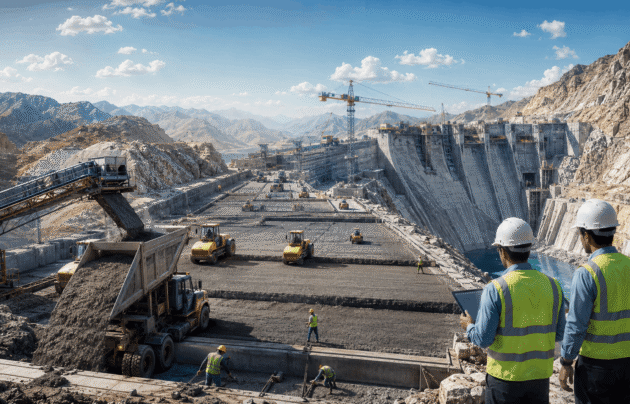
Dam design has undergone significant transformation in recent years through the use of three-dimensional modeling and detailed geotechnical analyses. Advanced software enables engineers to predict structural behavior under various loading conditions. These modeling techniques reduce the risk of structural failure and optimize decisions regarding materials and construction methods. They also improve the adaptability of the design to the actual conditions of the project site. Using this approach, the effects of earthquakes, water pressure, settlement, and geological variations can be evaluated with greater accuracy. Design quality control is also carried out systematically at every stage. The result is a stable, economical, and safe design.
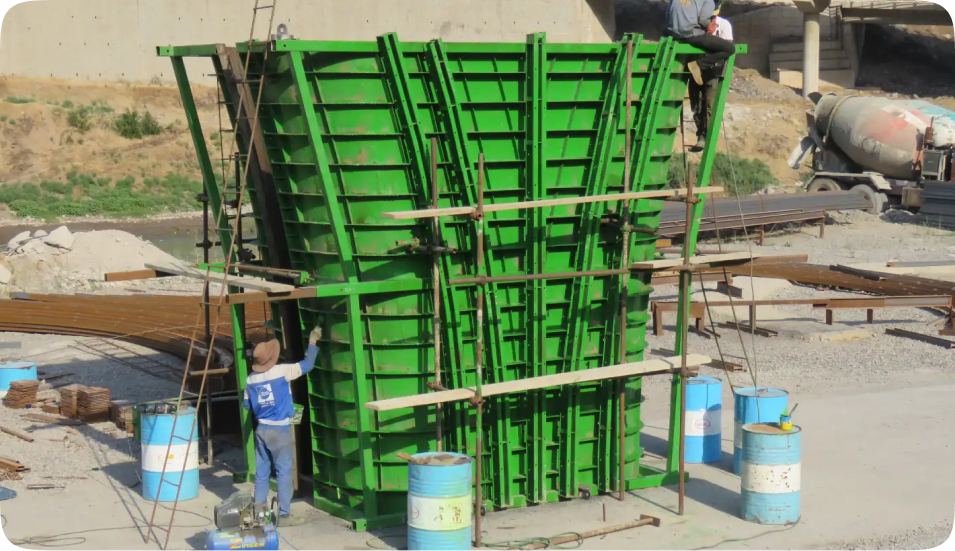
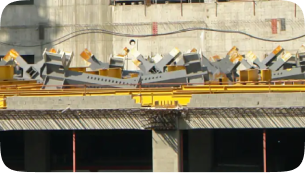
Formwork plays a critical role in dam construction projects due to the large concrete volumes, considerable heights, and substantial concrete pressures involved. Modern formwork systems enable concrete layers to be placed quickly and accurately. Their engineered design provides high stability against hydrostatic and fresh concrete pressures. The use of modular components increases installation speed while reducing human error. In addition, their reusability helps lower overall project costs. In difficult-to-access areas, lighter yet highly durable systems can be used. Overall, modern formwork significantly improves the final quality of the structure and enhances construction safety.
Advanced Leakage Control and Waterproofing Technologies
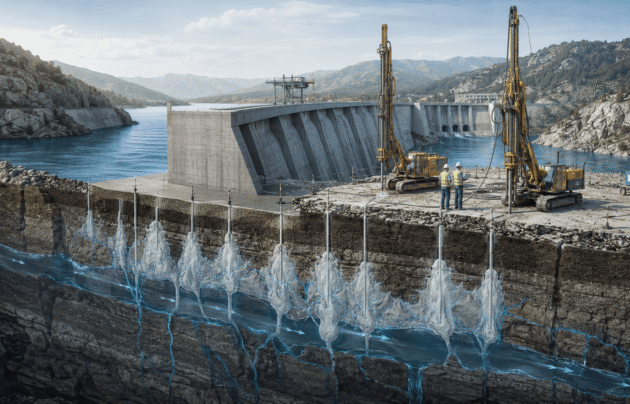
Waterproofing is one of the most critical stages of dam construction and can directly affect the long-term stability of the structure. The use of geomembranes, waterstops, and advanced waterproofing materials significantly improves sealing performance. These solutions help prevent water leakage and infiltration into underlying layers. Proper material selection can considerably extend the service life of the structure. Modern technologies have also made waterproofing systems easier and faster to install. Instrumentation systems allow critical areas to be monitored with greater accuracy. Implementing these solutions helps ensure the long-term quality and stability of the dam.
Leakage control is at the heart of dam stability.
Modern technologies make waterproofing more reliable and durable.
Concrete used in dams must provide high resistance to water pressure, temperature variations, and long-term deterioration. The use of Roller-Compacted Concrete (RCC), fiber-reinforced concrete, and low-heat concrete improves the dam’s ability to withstand various stresses. Modern admixtures also make it possible to control setting time, reduce cracking, and improve concrete durability. Properly graded aggregates enhance bonding and increase concrete strength. Another advantage of modern materials is their potential to improve cost efficiency and reduce cement consumption. These solutions help maintain consistent concrete quality in large-scale dam construction. Ultimately, they improve the durability, strength, and overall performance of the structure.
Smart Dam Instrumentation and Monitoring Systems
Monitoring dam performance after construction is just as important as the construction phase itself. Smart instrumentation systems enable engineers to monitor deformation, water pressure, settlement, and vibration. These systems continuously collect real-time data and analyze the dam’s behavior over time. If any deviation from normal behavior is detected, early warnings can be issued immediately. Modern instrumentation can also be integrated with centralized management and monitoring systems. This enables engineers to make faster and more accurate decisions. Through intelligent monitoring, the long-term safety and performance of the dam can be effectively maintained.
Image Gallery







Stay in touch with us
Write us your comments, suggestions, and questions so that the experts at Sona Polad can respond as soon as possible.