













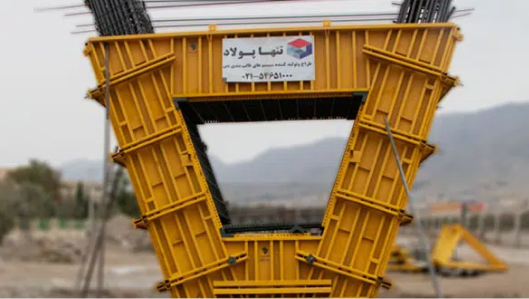
The steel-only column cap formwork system is designed to accurately and safely execute column reinforcement sections in concrete structures. This high-strength system significantly improves the final quality of concreting and the speed of project execution.
Product Specifications
- Material typeMade of high-quality, high-strength steel
- Material typeMade of high-quality, high-strength steel
- Material typeMade of high-quality, high-strength steel
- Material typeMade of high-quality, high-strength steel
Description
Choosing the Right Formwork System for Concrete Projects
Selecting the right formwork system is one of the most important decisions in concrete construction, as it directly affects both project quality and execution speed. Every project requires a different system depending on the type of structure, height, concrete volume, and site conditions. For example, modular formwork systems are well suited to general construction projects, while more complex structures may require specialized solutions.
Choosing the wrong formwork system can increase costs and reduce the quality of the finished structure. The ability to assemble and dismantle the system quickly should also be carefully considered. Ultimately, the right choice can optimize the construction schedule and improve the productivity of the site team. Consulting technical experts at this stage can significantly reduce the risks associated with selecting an unsuitable system.
Technical considerations also play a major role in selecting the appropriate formwork system. Fresh concrete pressure, wall height, and structural type are among the key parameters that must be evaluated. Weather conditions and ambient temperature can also affect formwork performance.
The material and structural strength of the formwork are equally important, particularly its ability to withstand the loads and pressures generated during concrete placement. Accurate engineering design helps prevent deformation, concrete leakage, and other execution problems. For large-scale projects, detailed technical calculations are essential when selecting the system. Evaluating these factors before making a decision helps ensure a higher-quality final result.
Comparing Different Types of Formwork for Concrete Projects
Common formwork systems include steel, timber, plastic, and modular formwork, each designed for different applications. Steel formwork offers high durability and is particularly suitable for large-scale projects involving repeated use. Timber formwork, on the other hand, is more commonly used for smaller or temporary applications.
Plastic formwork is lightweight and generally easier to install, although it may have limitations in terms of load and pressure capacity. Modular systems offer a high degree of flexibility and can be adapted to a wide range of structural configurations, making them a popular choice across many construction projects.
The right option should be selected based on the project’s technical requirements, construction method, schedule, and available budget. A careful comparison of these systems can lead to a more efficient and cost-effective decision.
Choosing the right formwork system is fundamental to the quality and safety of a concrete project. Decisions made at this stage can have a significant impact on construction costs, project duration, and the long-term durability of the structure.
One of the most common mistakes in concrete construction is selecting a formwork system that does not match the actual site and structural requirements. Some contractors make decisions primarily based on initial price, which can result in significant hidden costs later in the project.
Failing to account for fresh concrete pressure and structural design requirements is another major mistake. Low-quality or unsuitable formwork can lead to concrete leakage, deformation, and poor surface finishes. Ignoring the project schedule when selecting a system can also cause delays during construction.
Another common issue is making the selection without adequate professional technical consultation. Avoiding these mistakes can improve productivity, reduce project risks, control costs, and contribute to a safer and higher-quality concrete structure.
Certificates and Standards

Premium quality mark

Premium quality mark

Premium quality mark

Premium quality mark

Premium quality mark

Premium quality mark

Premium quality mark




Stay in touch with us
Write us your comments, suggestions, and questions so that the experts at Sona Polad can respond as soon as possible.